


 Automate your finances. No more spreadsheets







Running a business means keeping your finances tight, accurate, and stress-free. The best accounting software today does more than just track expenses; it provides intelligence. While platforms like Xero and QuickBooks revolutionized cloud accounting, the market has expanded to include specialized tools for every type of user.
Whether you are a freelancer looking for free tools like Wave, a property owner managing finances on Quicken, or a growing enterprise needing the advanced automation of Sage, the right platform is out there. We break down the top options to help you stop guessing and start growing.
 Our top picks for April 2026
 9.9
9.9

 Endorsed by the AICPA
Which Accounting Software is Right for You?
Different businesses have different needs. Here is how the top brands stack up based on how you work:
1. For Growing Small Businesses (Sage vs. Xero)
This is the most common battleground. Many business owners start looking for Xero because of its “unlimited users” feature, which is great for collaboration. However, as your business adds complexity, you may find Sage to be the stronger long-term partner. While Xero relies on third-party apps for many functions, Sage offers a “true all-in-one” experience with built-in inventory, advanced reporting, and native payroll—making it the preferred choice for businesses ready to scale.
2. For Personal Finance & Micro-Business (Quicken vs. Wave)
If you are running a side hustle or managing rental properties, you might be considering Quicken. It is excellent for personal finance and very small operations. Similarly, Wave offers a great free entry point for freelancers.
- The Pivot: However, be careful not to stay on these tools too long. If you plan to hire employees or need audit-proof records, upgrading to a double-entry system like Sage or Xero is often necessary to stay compliant with tax laws.
3. For Specialized Payroll & Automation (Patriot, Bill, Digits)
Sometimes you need a specialist.
- Patriot Software is famous for its affordable, top-rated payroll system. It’s a great standalone tool, though many users prefer the convenience of having payroll integrated directly inside their accounting software (like Sage offers).
- Bill (formerly Bill.com) is the industry leader for Accounts Payable (AP) automation. It’s perfect for firms with complex approval workflows.
- Digits represents the new wave of “AI Accounting,” focusing on visualizing your data. While exciting, many businesses still pair AI tools with a foundational ledger like Sage or QuickBooks for stability.
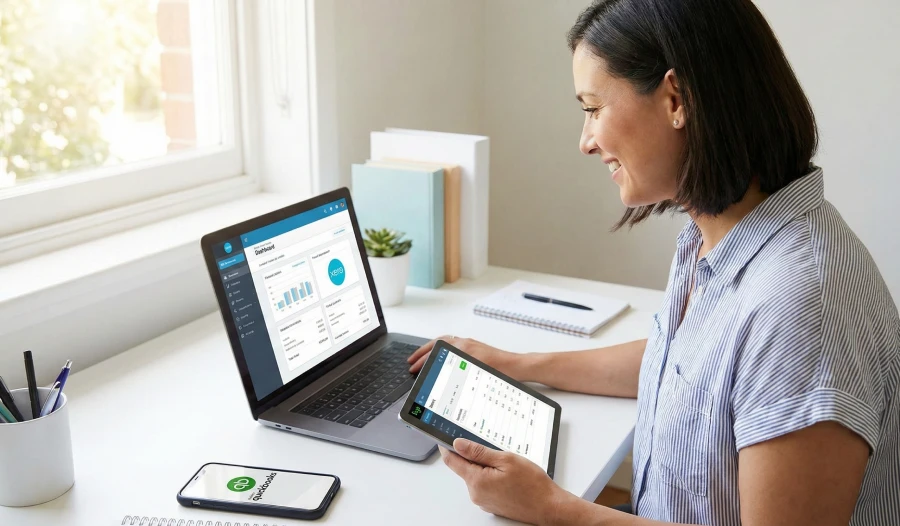
Recommended Top-Rated Accounting Software For Small Businesses in 2025
Why Use Accounting Software for Your Small Business?
Managing finances manually takes time and increases the risk of mistakes. Accounting software helps small businesses stay organized, compliant, and in control. It replaces scattered spreadsheets with one central platform where you can track everything in real time.
With the right software, you can:
- Send professional invoices and get paid faster
- Track income, expenses, and cash flow automatically
- Stay ready for tax season with built-in reporting tools
- Save hours each week on data entry and reconciliations
- Keep financial data secure and accessible from any device
Solutions like Sage and Zoho Books also offer flexible pricing, so you can start small and scale your tools as your business grows. Whether you’re switching from Quicken (and looking for Quicken alternatives), or building your financial stack from scratch, these platforms make it easy to stay on top of your numbers.
Key Features to Look For
Whether you are switching from Quicken or evaluating Zoho Books, these are the features that matter most:
Invoicing & Billing Look for tools that automate the chase. Zoho Books and Sage both excel here, allowing you to set up recurring invoices and automatic payment reminders so you get paid faster without the awkward emails.
Payroll Integration Patriot and Gusto are great, but integration matters. Xero integrates well with Gusto, but Sage offers native payroll built right in. This means your payroll data flows instantly into your general ledger without syncing errors.
Real-Time Financial Reporting Digits and Sage are leading the pack in “intelligent reporting.” Instead of just showing you a spreadsheet, these tools analyze your cash flow to predict future gaps, helping you make smarter spending decisions.
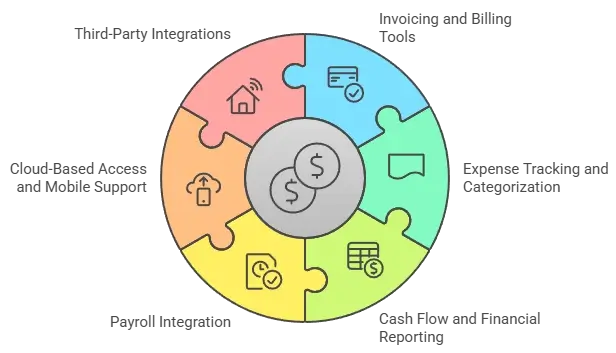
How to Choose: A Quick Comparison
Scalability Quicken is great for today, but what about next year? If you plan to grow, look for software like Sage or NetSuite that can handle multi-currency, inventory, and multiple entities. Xero is also scalable but may require expensive add-ons to match Sage’s built-in features.
Budget vs. Value Free software like Wave is tempting, but paid platforms often pay for themselves by saving you hours of admin work. Patriot is a budget-friendly option for payroll, while Sage offers premium value by combining accounting, payroll, and HR into one subscription.
Ecosystem & Integrations Zoho offers a massive suite of connected business apps (CRM, Mail, etc.). However, Sage and QuickBooks generally have the widest support for third-party integrations, ensuring your accounting software talks to your bank, your POS, and your e-commerce store.
Compare Top Accounting Software for Small Businesses
Sage
Best for:
All-in-one solution for SMBs
Starting Price: From $20/mo
Free Trial: ✅ Yes
Cloud-Based: ✅ Yes
QuickBooks
Best for:
Popular ecosystem & integrations
Starting Price: From $19/mo
Free Trial: ✅ Yes
Cloud-Based: ✅ Yes
Xero
Best for:
Unlimited users & accountant collaboration
Starting Price: From $15/mo
Free Trial: ✅ Yes
Cloud-Based: ✅ Yes
Zoho Books
Best for:
Budget-friendly with basic features
Starting Price: Free plan
Free Trial: ✅ Yes
Cloud-Based: ✅ Yes
Patriot
Best for:
Accounting + payroll at low cost
Starting Price: From $20+/mo
Free Trial: ✅ Yes
Cloud-Based: ✅ Yes
Quicken
Best for:
Personal finance & very small operations
Starting Price: From $4.99/mo
Free Trial: ✅ Limited
Cloud-Based: ❌ No
Recommended Accounting Software for Small Businesses
Small businesses need tools that are reliable, scalable, and easy to use. With so many options available—from Quicken to Xero—choosing the right software comes down to finding a solution that fits your workflow.
For most small and mid-sized businesses, Sage stands out as the strong all-in-one platform. It combines professional invoicing, automated bookkeeping, and built-in payroll in a way that often outperforms the fragmented app ecosystems of competitors. Whether you’re comparing Patriot for payroll, testing Digits for AI, or upgrading from Quicken, Sage offers the flexibility to support your next stage of growth.
Our top picks for April 2026
Frequently Asked Questions
Q. Is Quicken good for small business accounting?
A. Quicken is primarily designed for personal finance and rental property management. For a growing small business with employees or inventory, a true double-entry accounting system like Sage or Xero is much safer and more compliant.
Q. How does Patriot software compare to Sage?
A. Patriot is highly rated for its standalone payroll services. However, Sage offers a more comprehensive solution where accounting and payroll live in the same dashboard, reducing manual data entry between systems.
Q. Is Xero better than QuickBooks or Sage?
A. Xero is a fantastic cloud-based tool known for its user-friendly interface and unlimited users. However, businesses needing advanced inventory or native payroll often find Sage to be the more robust “all-in-one” option.
Q.What is Bill (Bill.com) used for?
A. Bill is specialized software for managing Accounts Payable and Receivable. It integrates with accounting software like Sage, Xero, and QuickBooks to streamline the bill approval and payment process.
Q. Are there free alternatives to Xero and Sage?
A. Yes, Wave and Zoho Books (free tier) are popular options. They are great for simple invoicing but often lack the advanced reporting, payroll, and phone support provided by paid leaders like Sage.
Q. Can Sage replace bookkeeping and payroll software?
A. Yes. Sage offers a complete accounting suite with features that cover bookkeeping, payroll, tax reporting, and more. It’s a reliable replacement for standalone bookkeeping software or payroll systems.
Q. What is the best accounting software for small businesses in 2025?
A. The ‘best’ software depends on your needs. QuickBooks Online is the most popular, Xero is excellent for accountants and unlimited users, and Sage is a strong all-in-one choice for growing businesses.
Q. What makes Digits different from standard accounting software?
A. Digits focuses on using AI to visualize your financial data, giving you “living reports.” It often works alongside your main accounting ledger to provide deeper insights.
